AS EARLY AS POSSIBLE Insurance preparation
• Examine all insurance policy coverage.
• Add insurance hotline number to your phone and establish online account access.
• Photograph and document all personal belongings.
• Compile master list of emergency contacts and account information. Maintain a list of important phone numbers including:
• County emergency management office
• Evacuation sites
• Doctors
• Banks
• Schools
• Veterinarian
• Out of town contacts
• Friends and family Gathering important
documents
• Physical documents should be kept in a waterproof container
• Cash (banks and ATMs may not be available after a storm)
• Medical records
• Banking information
• Credit card numbers
• Copies of social security cards
• Copies of birth and/or marriage certificates
• Copy of will
• Other personal documents
• Set of car, house and office keys Lighting and communication • Flashlights (Do not use candles)
• LED lanterns
• NOAA Weather Radio
• Batteries (varying sizes)
• Cell phone chargers Clothing and protection
• Rain gear such as jackets, hats, umbrellas and rain boots
• Sturdy shoes or boots and work gloves Determine your protection strategy
• Identify your safest options for shelter from flooding and high winds.
• Develop both an evacuation plan and a sheltering-in-place plan.
• Keep your motor vehicle tanks filled with gasoline.
• Check motor vehicle tire pressure and fluid levels (oil, coolant). MAKE SAFETY PLANS Evacuation planning
• During hurricane season, find out if you live in a place that might need to evacuate. This includes evacuation zones, areas that flood easily, mobile homes or buildings that aren’t safe. Knowing this helps you prepare and understand what to do when local officials issue evacuation orders. For more information or to find your zone, check with local Emergency Management or visit www.floridadisaster.org/knowyourzone.
• If officials order evacuation, leave without delay.
• Determine your destination, transportation method and lodging.
• Arrange transportation assistance in advance if needed or if using public transit.
• Mobile homes, RVs, trailer homes and manufactured housing are unsafe during high winds — plan to evacuate to a secure location. Shelter-in-place planning
• Prepare to manage without internet, phone service, gas, water and electricity for extended periods.
• Practice relocating to your designated wind shelter.
• Identify a small, windowless interior room on the lowest flood-safe floor of a sturdy structure.
• Recognize that flooding occurs rapidly — have a quick evacuation plan ready.
• Build a personal support network of individuals who can help you and whom you can assist. | Communication planning
• Register for free emergency alerts through your local government.
• Establish how you’ll track local news and weather updates.
• Obtain a backup battery or charging solution for your cell phone.
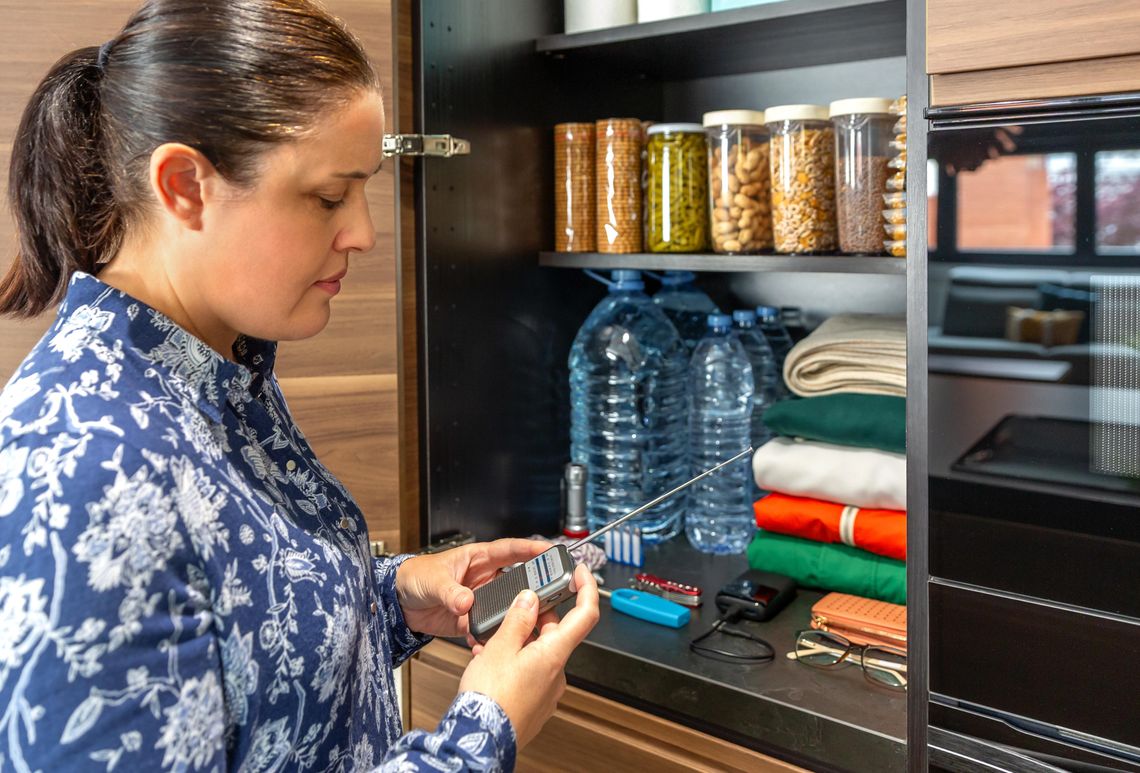
• Acquire a battery-operated radio for power outages.
• Learn alert terminology and appropriate responses:
• Familiarize yourself with alert types: Hurricane Watch and Warning, Tropical Storm Watch and Warning, Extreme Wind Warning, Storm Surge Watch and Warning, Flash Flood Watch and Warning, Flood Watch and Warning, Tornado Watch and Warning. In short: ■ WATCH: Be prepared!
■ WARNING: Take action! Learn emergency skills
• Complete First Aid and CPR training.
• Prepare for utility disruptions — plan for power needs including medical equipment and cell phones.
• Consult your electrician about backup power requirements. GATHER EMERGENCY SUPPLIES Food
• Water (1 gallon per person per day)
• Nonperishable packaged or canned food and beverages (at least 10 days)
• Snack foods
• Juices
• Baby food
• Special dietary items
• Non-electric can opener
• Paper plates
• Napkins
• Plastic cups
• Utensils (scissors, bottle opener, corkscrew, knife)
• Charcoal or propane grill
• Grill tools
• Charcoal or full propane tank First Aid Kit
• First aid manual
• Sterile adhesive bandages of different sizes
• Sterile gauze pads
• Hypoallergenic adhesive tape
• Triangular bandages
• Scissors
• Tweezers
• Sewing needle
• Moistened towelettes
• Antiseptic
• Disinfectant wipes
• Hand sanitizer
• Thermometer
• Tube of petroleum jelly
• Safety pins
• Soap
• Latex gloves
• Sunscreen
• Aspirin or other pain reliever
• Anti-diarrheal medicine
• Antacid
• Laxative
• Cotton balls
• Q-tips Specialty Items
• Specialty items for infants, small children, the elderly and family members with disabilities
• Battery-powered fans, both desk/floor and handheld
• Books, games, puzzles or other activities for children
• Gasoline or generator (follow storage guidelines in manufacturer’s manual)
• Carbon monoxide alarm
• Heavy-duty gloves for handling debris
• Insect bite treatment and bug spray
• Bleach
• Emergency whistles
• Lighters and/or matches
• Coolers and freezer packs
• Protective gear and battery/gas-powered chainsaw
• Two-way radios and NOAA weather radio
• Portable tool kit (or at least a hammer, screwdriver (flathead and Phillips), adjustable joint wrench and regular and needle-nose pliers)
• Gallon jugs for storing water to flush commodes
• Sunscreen
• Inflatable mattresses, pillows, blankets | Medications and medical supplies
• Stock a one-month minimum supply of medication
• Regularly used medical supplies
• List of allergies
• List of the style, serial number and manufacturer information of required medical devices
• Information about where you receive medication, the name of the drug and dosage Pet Supplies
• Pet food and water to last at least two weeks
• Proper identification
• Medical records/microchip information
• Carrier or cage
• Muzzle and leash
• Water and food bowls
• Medications
• Stock training pads
• Service animal I.D., veterinary records and proof of ownership
• Supplies for your service animal
• Make copies of current licenses/vaccines and store in container
• Place animals in crates with rawhide bones and toys during and following the storm
• Restrain pets using a leash or harness when appropriate
• Stock puppy training pads
• Obtain collapsible pet carriers to use in hotels, shelters or for evacuation Supply Organization
• Assemble food, water and medications (stores and pharmacies may be inaccessible).
• Create a Go-Kit: minimum 3-day portable supply with device chargers and backup batteries of varying sizes (cell phone, CPAP, wheelchair, etc.).
• Create a Stay-at-Home Kit: minimum two-week supply.
• Stock a one-month medication supply in child-resistant containers plus medical supplies/equipment.
• Secure personal, financial and medical records (hard copies or secure digital backup)
• Prepare a wallet card listing all medications and dosages. Last-Minute Tasks
• Disable icemaker and clear ice bin.
• Adjust freezer and refrigerator to coldest temperature settings.
• Fill bathtubs with water (for non-drinking purposes).
• Set HVAC to maximum cooling (remember to switch AC off if power fails).
• Charge all electronic devices.
• In a power outage, unplug TV and other electronic devices. PROTECT YOUR HOME Wind Protection
• Bring indoors or secure outdoor items that could become dangerous projectiles (lawn furniture, trash cans, etc.).
• Anchor items that must remain outside (propane tanks, gas grills).
• Trim or remove trees within falling distance of your home.
• Install permanent storm shutters or protective sheeting on windows. Flood Protection
• Clear gutters, downspouts and drains.
• Stockpile sandbags and plastic sheeting.
• Consider sump pump installation with battery backup.
• Consider elevating your electric panel, water heater and heating system.
• Review insurance coverage with your agent. |















Comment
Comments